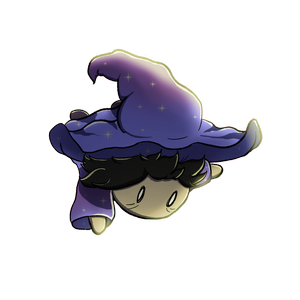

Concerning the Sand People
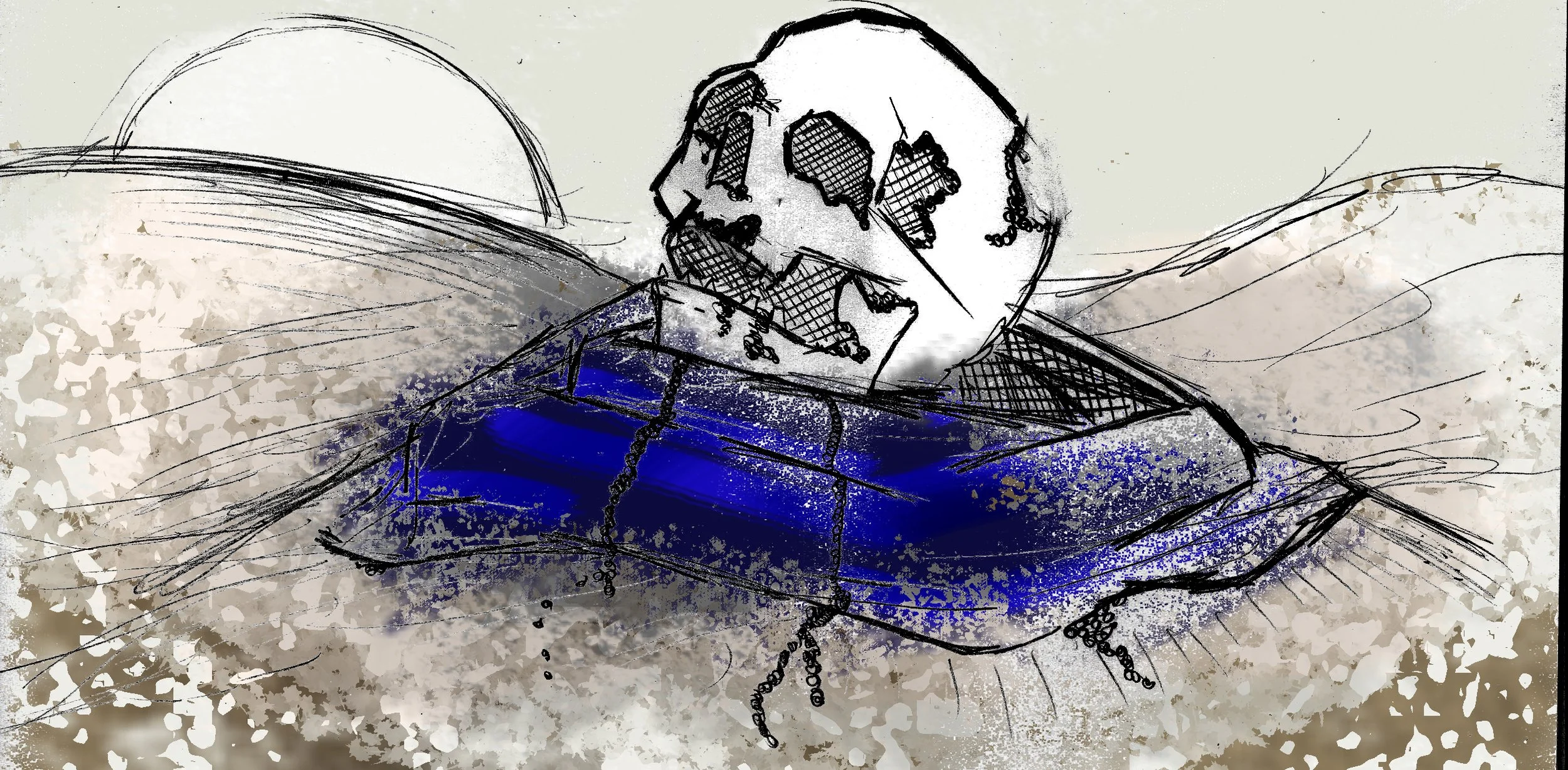
Original artwork by Kyle Newbridge
Dearest Samantha,
It is a tired, tired, tired evening. But, I made you a promise. Now, I will convey to you my journey with the sand people.
The rainforest wherein the metal city lies is odd because, although it is vast, it is technically an oasis. The size of a small state bordered on all sides by no fewer than fifty miles of uninterrupted desert. Before the journey of course, I made the proper preparations—a caravan of mini-shelled camels, water, maps, and a route with many oases.
On a particularly cloudy day (I did not have my umbrella), I noticed noise far to my left. Smeared on the horizon was a dark line, and from this line emerged a terrible, scraping remonstrance. Have you heard metal against sand, Samantha? I want you to imagine dragging five plates, large plates, each with the floor space of a bedroom being weighed down by furniture and tents and water and textiles, across a desert floor. Not plain sand which would shift to accommodate either, would give way. It was hard ground, the sand stuck firmly between it and the plates. Now imagine dragging ten, twenty-five. An entire chorus of them. It is a sound like thunder tearing into a dying beast.
But, the sound—more specifically the horrific vibrations—keeps away the “digs,” as the sand folk called them. Tiny creatures that live within the sand—look and feel just like grains. The only difference is the more parasitic nature. The things burrow into skin and muscle. If not found, they continue deeper, eating organs. First things like the liver and large intestine before more important parts like the lungs. If you survive too long, they eat the bone. First the smallest ones, in your ears or toes, before the larger ones in your legs. They usually finish with the skull. Almost certainly. God pity the souls.
The nomads were heading south too, and I joined them. They were a cautious people, subscribing to every fearful thought, fiction or fact. They lugged supplies on metal for the digs, and they swaddled their entire bodies in blue cloth to deter the ghosts of those consumed by the parasites. The sand people believed victims required a new host body in order to die and rest in peace.
Of course, they were so cautious that they also subscribed to every myth of lands outside of the desert, and so they would never move away, despite openly viewing the place as wretched. They believed the lands outside the desert were wild with giant lizards roaming free, and birds who could eat a child in a single bite. There are many odd things—such is only the case in nature here—but they were so vastly skewed as volatile by the sand people that any rational man would never leave the desert!
Such a strange people—but they were content. I suppose that counts for something. If you can counter or prevent every single problem, then, in effect, you’ve eliminated problems. Their chief stressor became boredom. The sand people were nomads because they always needed a change of scenery or formation or something odd—like hairstyle. One day, everyone had their hair down and straight, they curled it the next day, they shaved it off on the day after that.
Anyway, I let them guide me to the forest—which occupied them for a couple of days (they move very fast when excited). They wished me farewell and held an honorary wake, as they do for all those people who leave the desert for the green.
I miss the sand people. They were so dynamic. Not this unending color. I still watch the bats, but they too grow weary. Their squeaks and flight patterns have both become erratic as of late. The month has been difficult. There have been quakes—something not documented in this region.
At least I haven’t looked down. I mustn’t. I can’t.
I miss you, Samantha. You know that, right? Do you have any idea of what I would give to have you here with me right now? Please be safe, and come soon, will you? Or else, write back if you’re receiving these. I pray you are. Please come back. Please?
I must focus on other things. Tomorrow, I will repair the fence around the garden; it was damaged by the quake. I will write again soon.
Love,
Tomas Cohen